Live Time
- Role
- Product design, coded prototype
- Surface
- iOS
- Industry
- Events
- Timeline
- July 2026, about three weeks
Live Time is an events app used at more than 100 universities, where brands like Red Bull and Gopuff send perks to the parties people host. I redesigned how a host makes an event, and delivered it as a coded iPhone prototype that engineering built from.
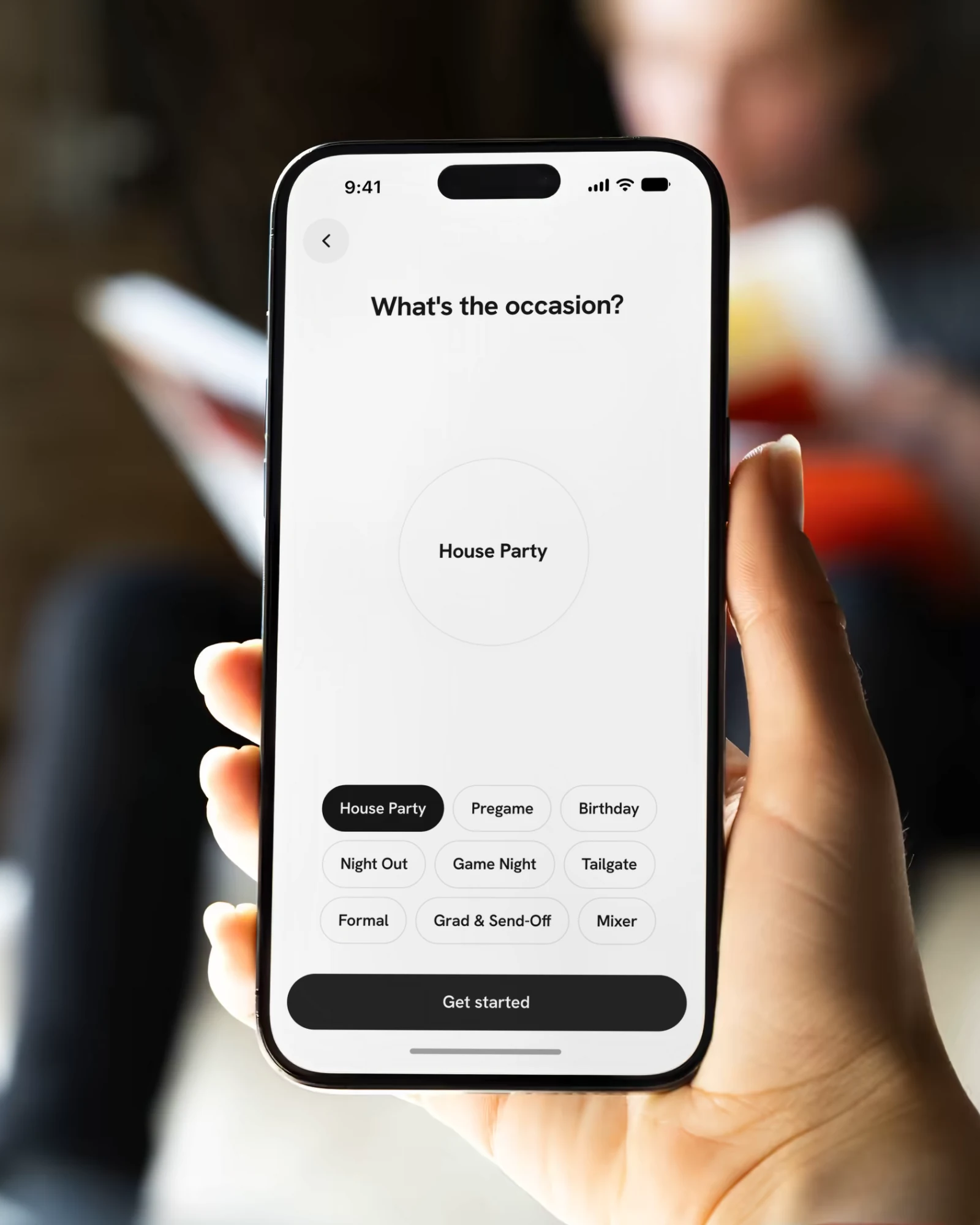
The old flow was a long form with one format for every kind of event. I rebuilt it the way Airbnb paces its host onboarding: pick what you're planning, then answer one question per screen, on a sheet over the page your guests will see.
Impact
62 screens every one a state you can reach by walking the prototype, 98 decisions logged and locked over 19 review passes, ~3 weeks from kickoff to a handoff engineering was already building from.
Guided creation
Six sections for every kind of event, one question per screen.
Brand partnerships
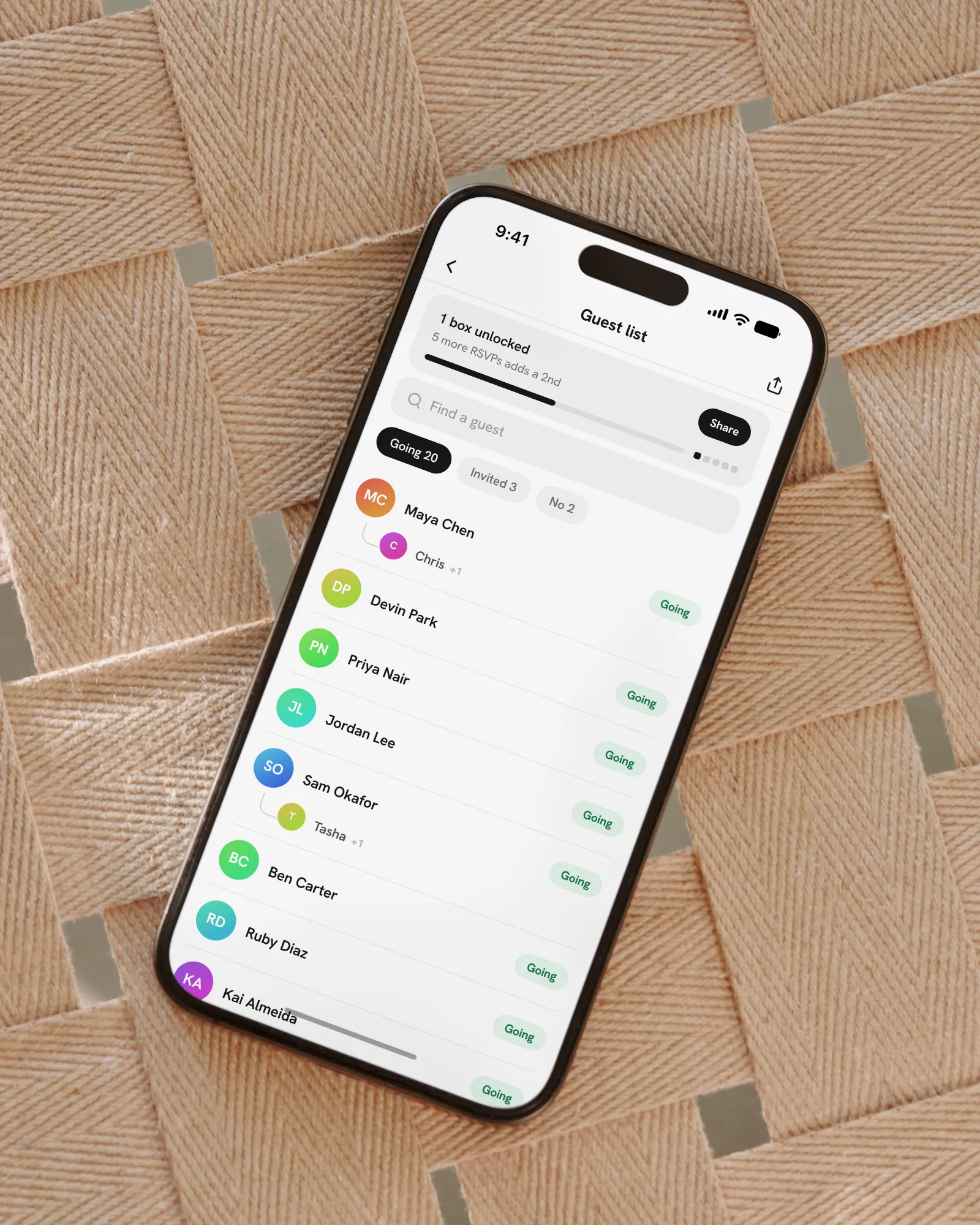
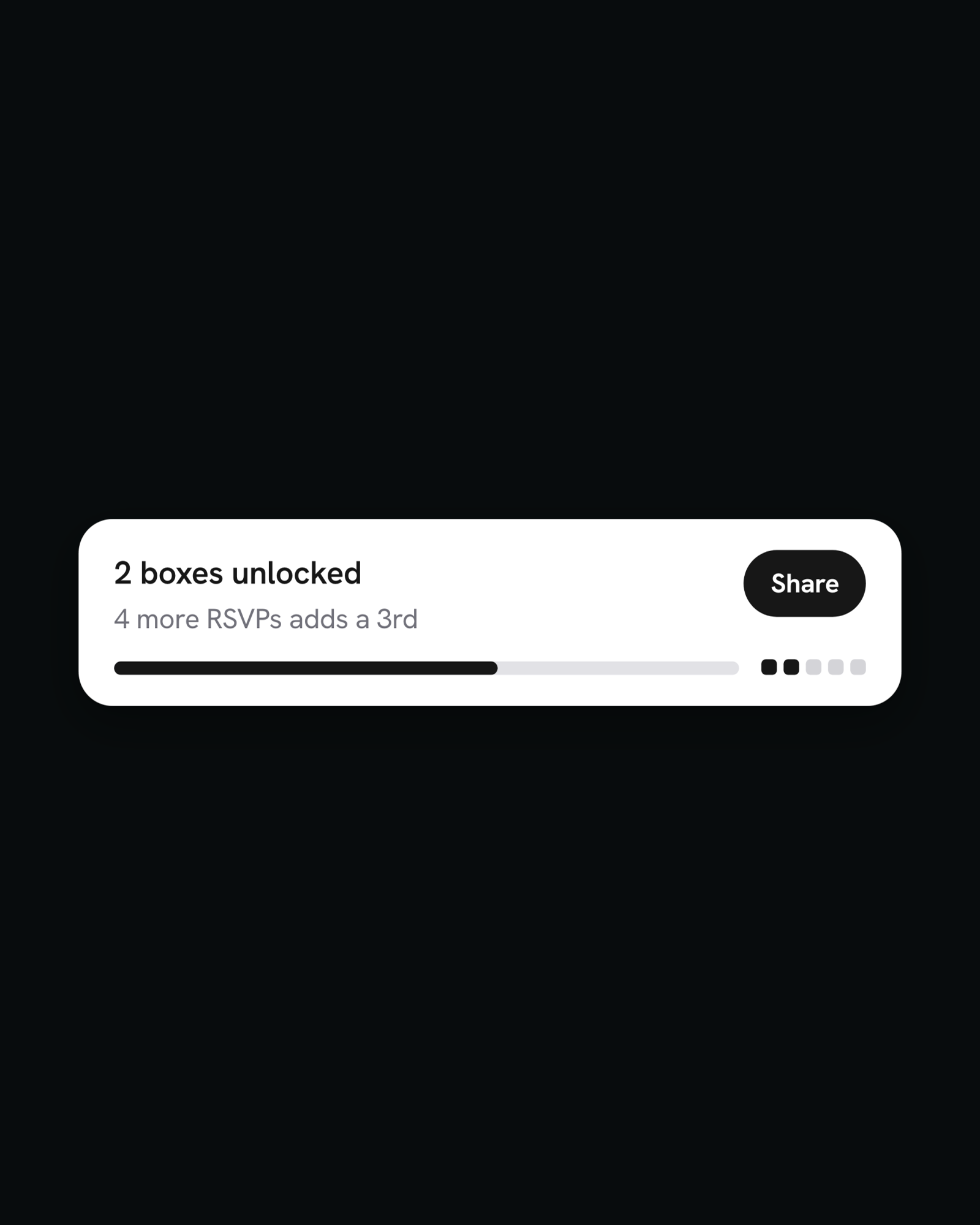
A brand's perk grows with the room.
The live event
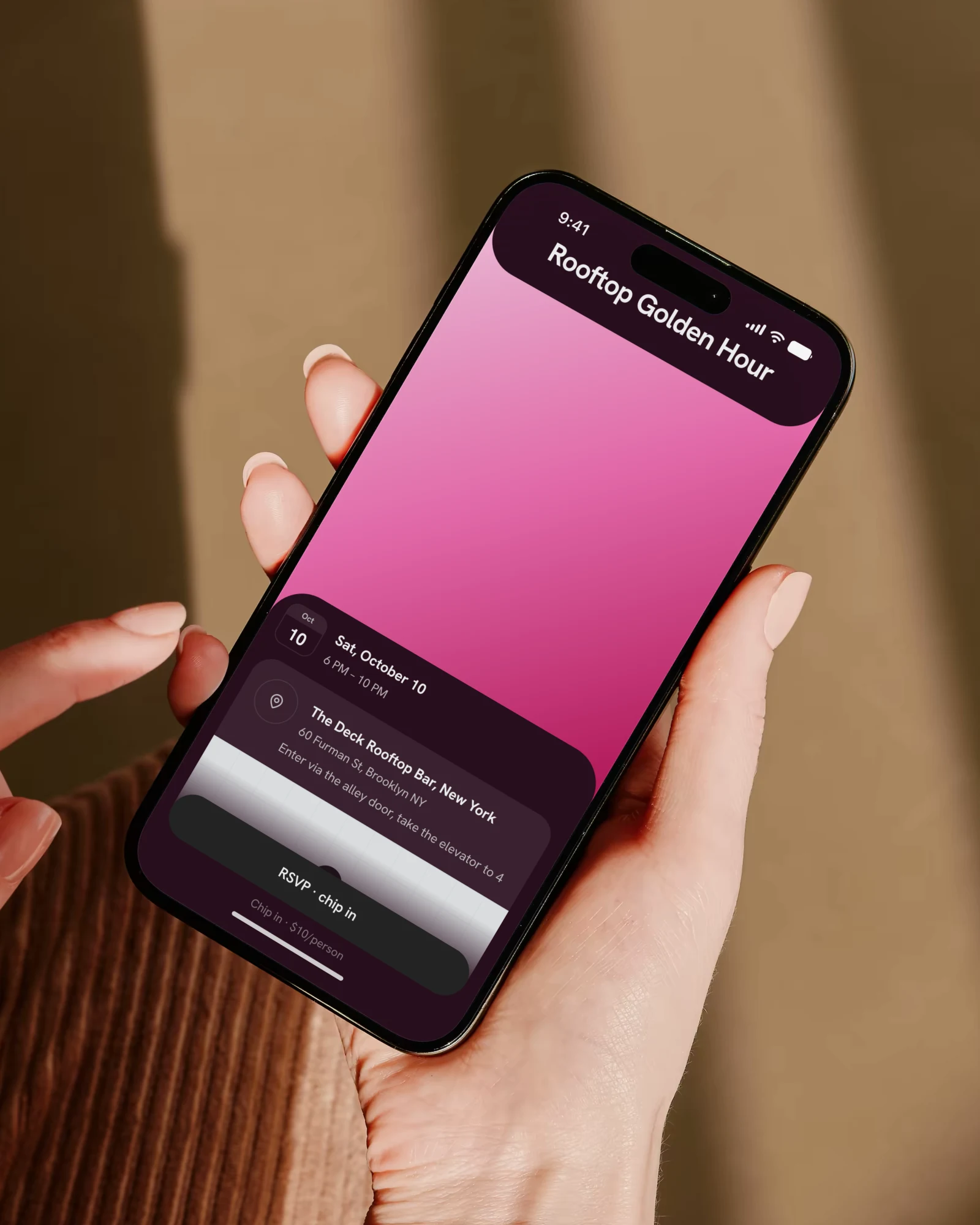
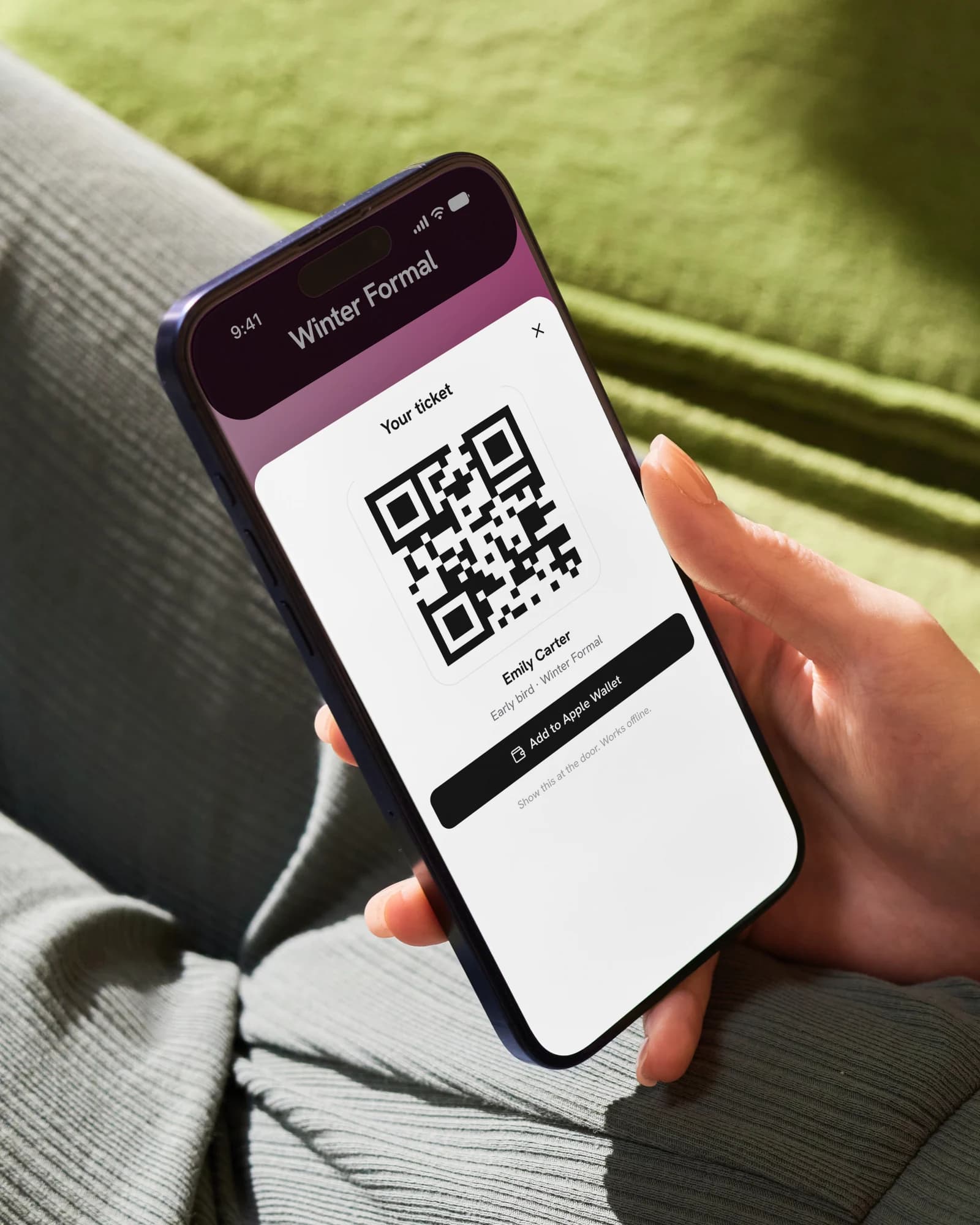
The flow ends on the event, with the host as its admin.
Looking back
Category no longer changes how long the flow is, only what it says. That one rule is what let every screen stay true while the rest moved.
Connections
What I owned
The create-event redesign, from the category picker to the live event.
The brand partnership flow and the perk ladder.
Invites, the CSV import, the guest list and the host's console.
The coded prototype, the Screens board and the UI kit it is built from.
The decision log and the handoff to engineering.
What I contributed
Working sessions with Emily, Live Time's founder, on the platform and the brand partnerships expansion.
Screen-by-screen reviews with engineering, who started building once the layout was locked on 29 July.
What I learned
Most of what makes Airbnb's host flow feel easy is sequence and copy, not visuals.
A progress count has to be stable. While the number of sections changed with the category, every "n of N" in a mockup went stale.
On a short contract, the decision log is what survives the handoff.
Brief to handoff
Kickoff: A call with Emily on 10 July about the platform and the brands, then a trial weekend on the create flow.
Reference: Airbnb's host flow, Luma and Partiful, read for sequence and copy.
Prototype: I built the flow in code in a real iPhone frame: 31 screens by the first review, 62 by the handoff.
Review: Four reviews with the team in July. Each note became a numbered, dated decision.
Handoff: The source, the Screens board and the decision log, exported for engineering on 2 August, 93 files that compile.
Guided creation, Problem
Creating an event was a long form built around one format. Hosts named the event before they knew what it was, and nothing showed them what a guest would get.
The category list mixed four kinds of thing, so an event fitted two at once, and the number of sections ran from five to eight depending on the pick. Every "n of N" went stale.
Guided creation, Decision
Category comes first: six by purpose, each with its own second question, 43 kinds of event in all. The disc you press flies to the middle and turns over to show your pick.
The same six sections for everyone: When, People, Where, Cost, Extras, Finish. Category changes what the questions say ("When's the DJ set?") and what they assume, never how many there are.
The questions live on one tall sheet over the event page, which fills in as the host answers. Drag the sheet down and you are looking at what a guest gets, so there is no preview screen.
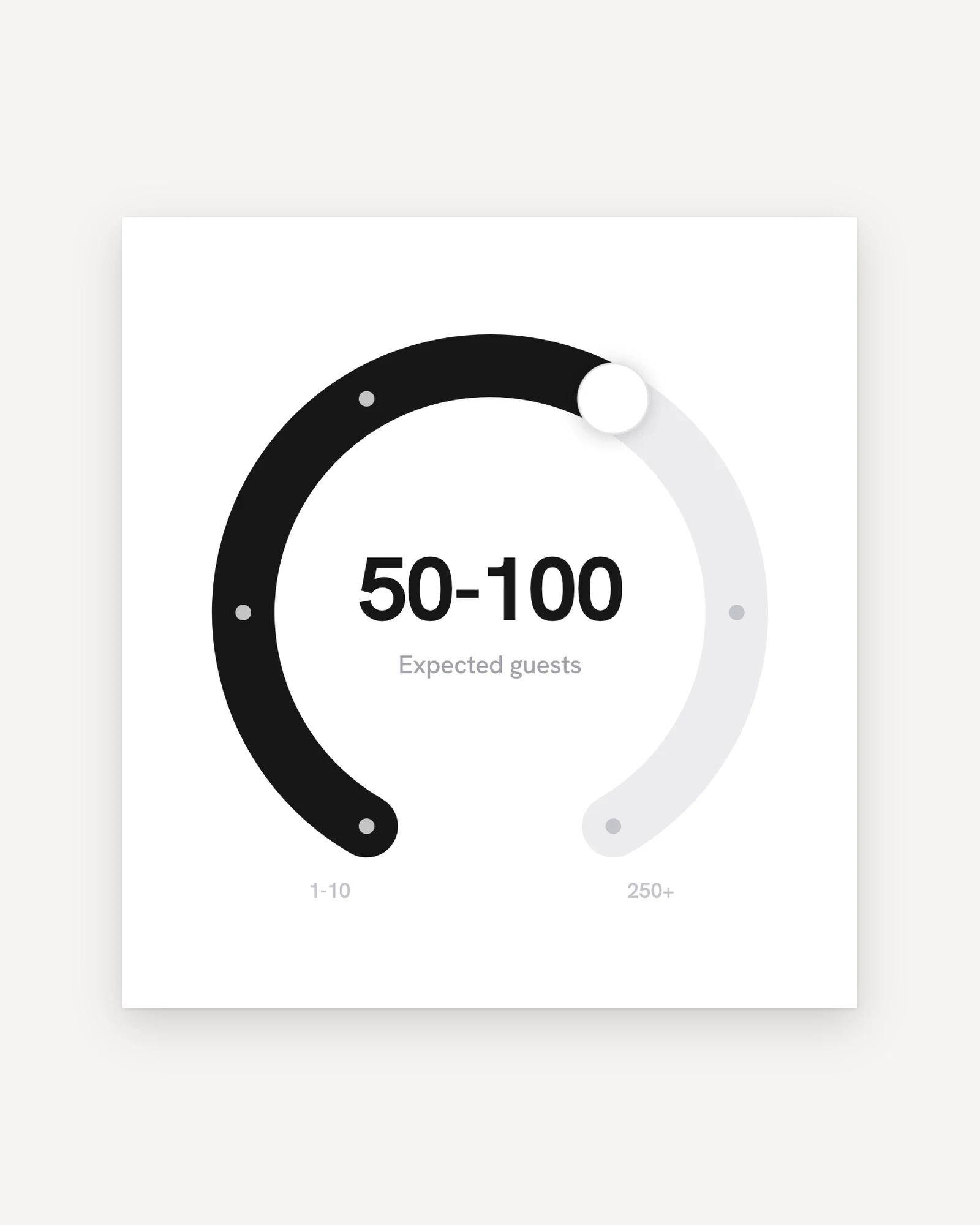
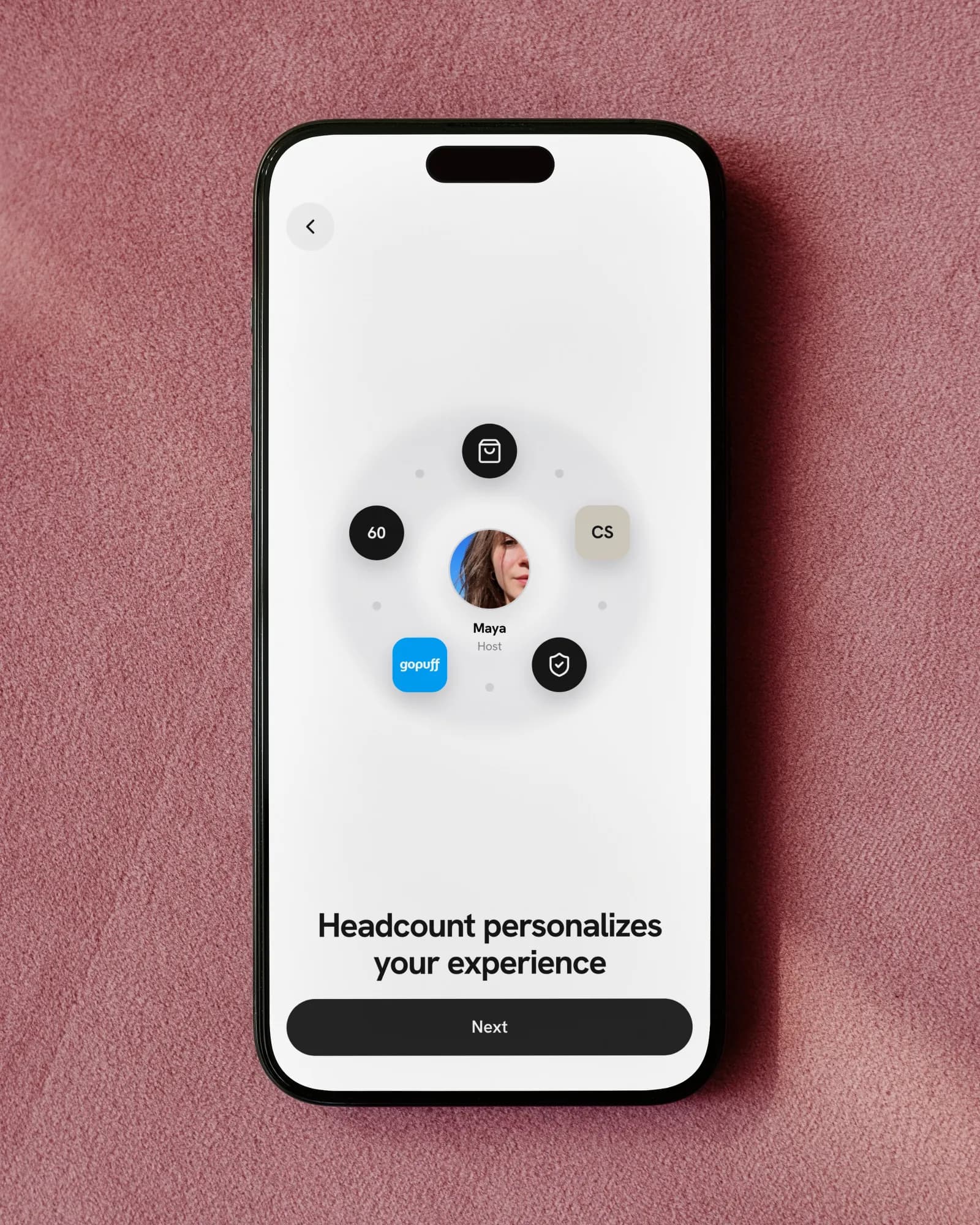
Headcount is a dial of six spoken ranges, from 1 to 10 up to 250 and over, and it can't be skipped: the venue list, the table booking and a brand's perk all need it.
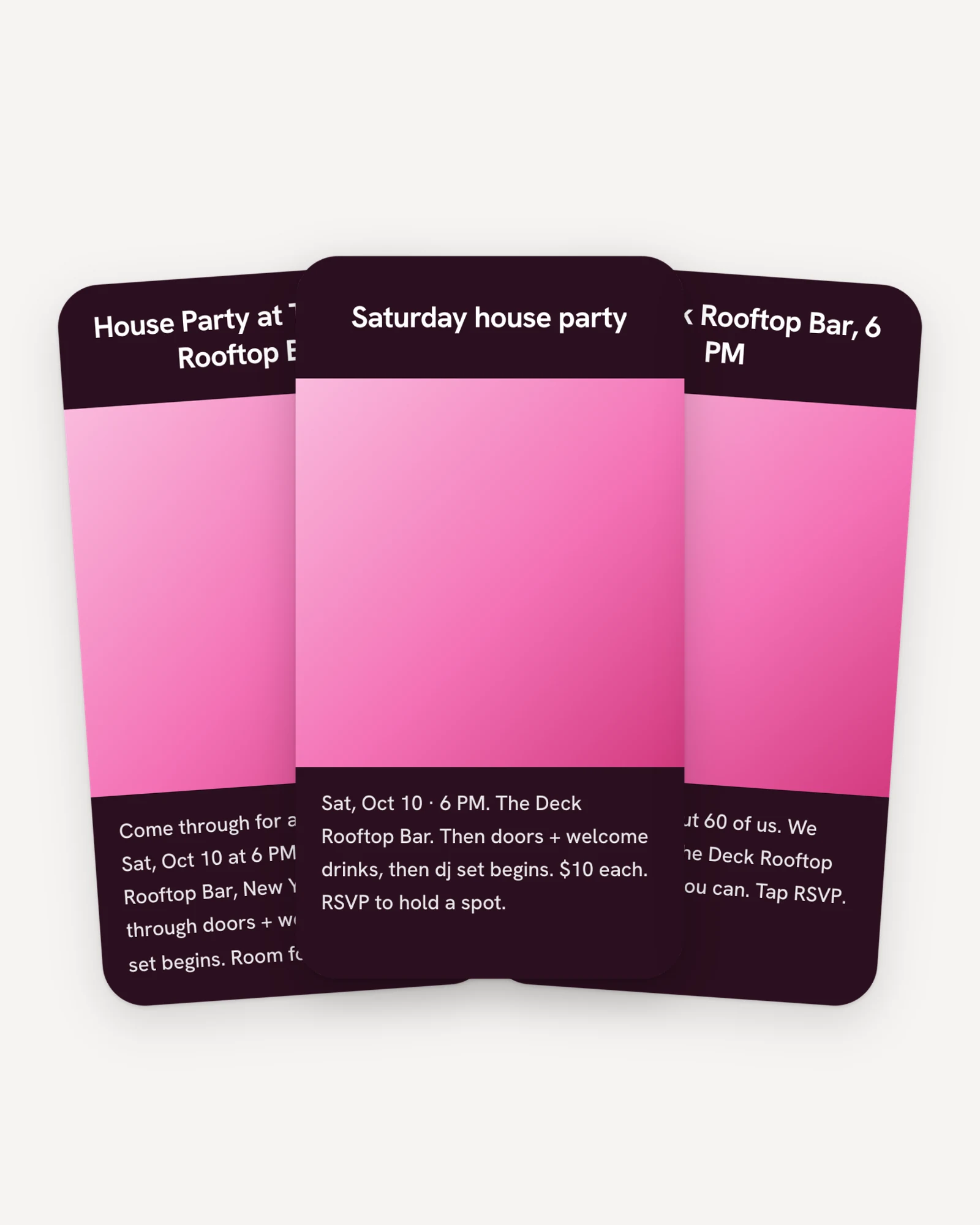
Finish drafts the invitation from everything answered: three to swipe between, each the invitation itself. Publishing needs only a title.
Guided creation, Results
The progress bars never change length. Scored on 18 sample events, the six categories left 4 in an awkward home, against 6 to 8 for the other lists we tried.
One event page serves three modes, being built, previewed and live, so the old review screens were deleted.
Guided creation, Tradeoffs
Category no longer sets the length of the flow. Giving a category its own length back is a one-line change.
A required headcount reversed the team's call to make it skippable. We agreed to settle its place with an A/B test.
Brand partnerships, Problem
Brand perks are what set Live Time apart, but the old perk was bolted on after creation and had a single floor. Once enough guests signed up, the meter went green and stopped meaning anything.
That is exactly when a host stops inviting, right when ten more people would have earned a second box.
Brand partnerships, Decision
The floor earns the first box, and every set number of RSVPs after it earns another, up to the brand's stock. Doughlicious starts at 15 RSVPs and adds a box every 10, up to 5. The brand names its own unit: a box, a case, a kit.
The ladder shows in three places: on the brand's row, on the brand's page, and above the guest list with Share inside it, because the link is the only way to the next rung.
Asking a brand is one step in Extras, "Who's helping you host?", where brand cards carry a real photograph and their floor. A requested brand sits among the hosts in a dashed ring until it accepts.
The request fills in what the app already knows, such as the address, the date and the headcount, and marks those values as filled in for you.
Brand partnerships, Results
The ladder's arithmetic lives in one function that the screens and their copy both read from, so a brand's numbers can't disagree across the app.
Brand partnerships, Tradeoffs
The ladder stops at the brand's stock. At Emily's request a big "FREE" label became a $0 total, which reads as an agreement rather than a giveaway.
The live event, Problem
The old flow ended on "Create another event", so the reward for finishing was watching the event disappear.
The live event, Decision
Publishing holds one moment, the invitation and a tick, then hands over to the event page as guests see it, with the host's Share and Manage on top.
Invites start from the person, and the channel follows: "We'll text 2, email 1." The CSV import reads the file and reports what it found before it adds anyone.
The guest list is one screen with segments, and a segment exists only if someone is in it. Approve slides right, decline slides left.
At the door the ticket is a QR code. Scarcity is a count, "9 left", never a countdown, and a guest who is turned away gets a next step.
The live event, Results
The event page is the same screen in every mode, so there is no separate admin view for a host to learn.